
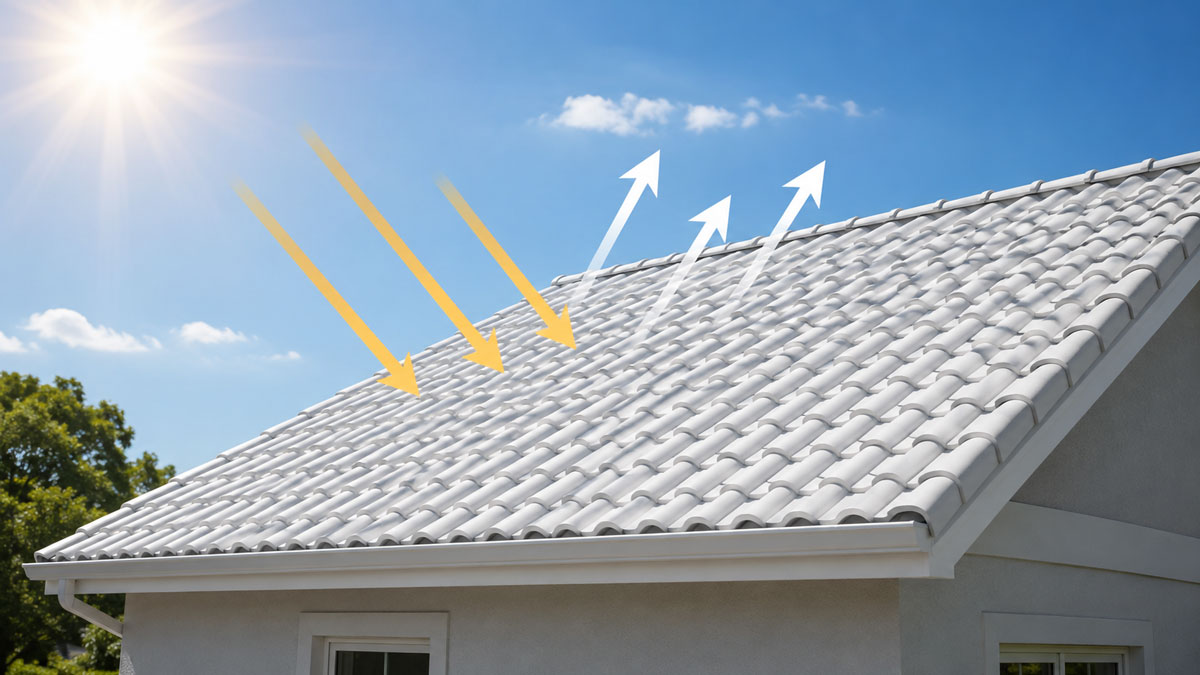
Repainting my roof tiles was one of those home improvement jobs that seemed so straightforward…until I started researching products, suppliers, preparation, and application! I Living in Australia, our roofs are exposed to strong sun, summer heat, storms and coastal conditions. So I really wanted more than just a fresh colour. I wanted a paint that could keep my home cool and protect my tiles for as long as possible!
After working through the process and learning from a few mistakes, I now understand what really matters when using heat-reflective paint. In this guide, I will share the lessons I learnt so you can get the best out of your roof repainting project too!
Why Should You Repaint Your Roof Tiles?
Repainting roof tiles can improve both the appearance and performance of your roof. Sydney’s sun, rain and changing temperatures can cause roof coatings to fade, wear and lose protection over the years. A fresh coating can do wonders for your roof! Some of the best benefits I’ve found that come from repainting roof tiles are:
- Improved appearance of my home
- Protecting my tiles from weather exposure
- Extending the life of my existing roof
- Sealing porous concrete tiles
- Reducing heat absorption with heat-reflective paint
- Preventing moss and dirt build-up
- Delaying the need for expensive roof replacement
What Is Heat-Reflective Roof Paint and How Does It Work?
Heat-reflective roof paint is a special coating designed to reflect more of the sun’s heat away from your roof. Standard dark roof paint absorbs a large amount of sunlight, causing the tiles and roof space below to become hotter.
Heat-reflective paint contains special pigments that reduce heat absorption, even when you use a darker colour option. This keeps your roof space and home more comfortable during Sydney’s warmer months. It also protects the roof tiles from sunlight, rain and general weather exposure, all while leaving the roof looking clean and refreshed!
Which Types of Roof Tiles Can Be Repainted?
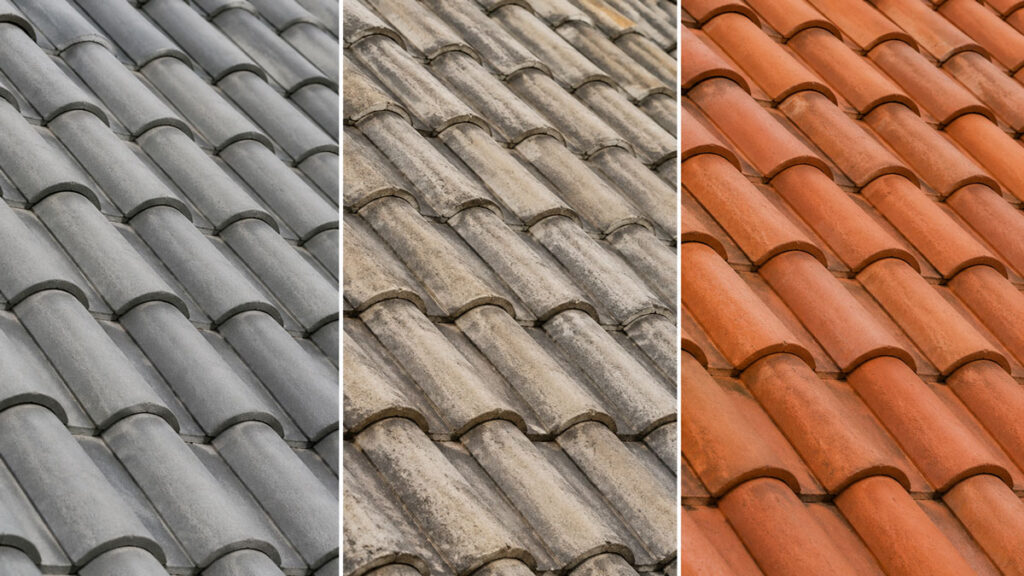
Many different types of roof tiles can be repainted, especially if they are prepared properly. But some tiles are much easier to repaint than others.
Here are some of the most common types of roof tiles and whether they are suitable for repainting:
- Concrete tiles: Usually suitable for cleaning, sealing and repainting
- Cement tiles: Often respond well to roof coatings
- Terracotta tiles: Might be paintable, but require careful product selection
- Glazed tiles: Often difficult to paint because the coatings might not bond properly
- Slate tiles: Generally not recommended for painting
If you’re not sure whether your roof tiles are suitable for repainting, you can always ask your local roof paint supplier for advice!
How to Assess the Condition of Your Roof Before Repainting
Even if your roof tile type is suitable for repainting, damaged or badly deteriorated tiles are not! Painting over existing problems just hides them temporarily, but it will not repair cracks, leaks or weakened surfaces. Before starting, inspect the roof carefully and arrange professional advice if you are unsure. Here is a handy checklist you can save and use to assess your roof:
- Look for cracked, chipped, loose or missing tiles
- Check for signs of leaks, water stains or moisture inside the roof space
- Inspect ridge caps and pointing for cracks or movement
- Look for heavy moss, mould, lichen or dirt build-up
- Check whether the tile surface is powdery, porous or badly worn
- Identify areas where the old coating is peeling or flaking
- Replace damaged tiles before cleaning or painting
- Source matching recycled roof tiles if the original style is no longer manufactured
- Have the roof structure checked if there is sagging or widespread damage
- Avoid walking on the roof unless you have the correct safety equipment and experience
Choosing the Right Heat-Reflective Paint for Your Roof Tiles
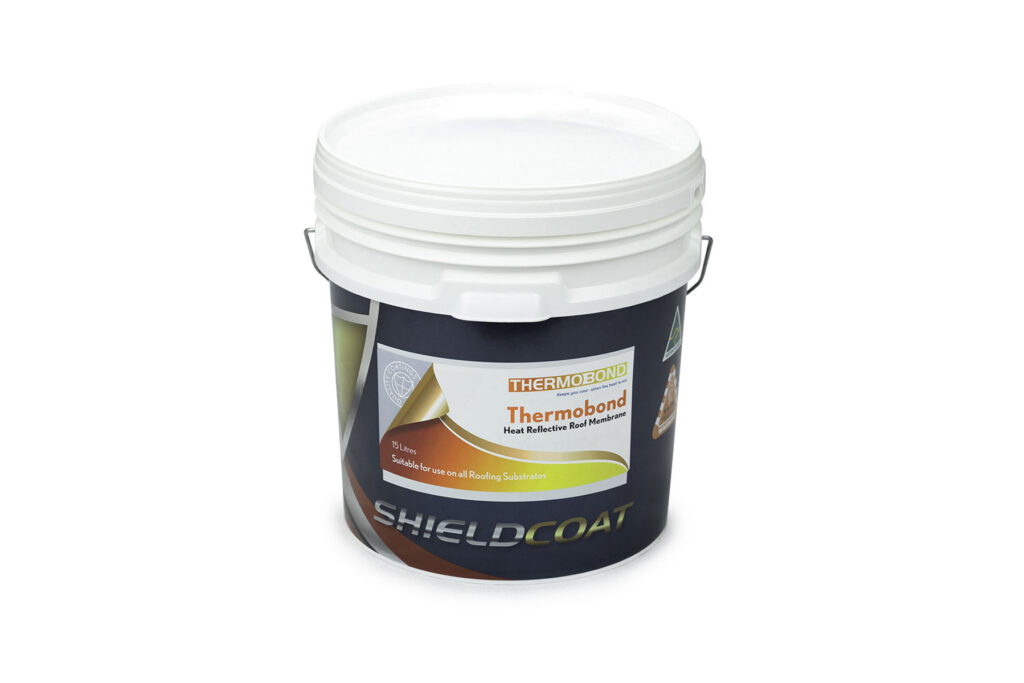
Choosing the right heat-reflective paint starts with checking that the product is suitable for your roof tile material. Look for a complete coating system that includes the recommended primer, sealer and topcoat, rather than choosing paint based on colour or price alone.
I also found it useful to compare:
- Solar reflectance ratings
- Coverage
- Drying time
- Durability
- Warranty conditions
The paint you choose should be designed for Australia’s strong sunlight, heavy rain, unpredictable storms and changing temperatures. Before purchasing, it’s a good idea to speak with your roof tile paint supplier and explain your roof type, its condition and whether it has been painted previously. Then they can give you expert advice on which paint to buy!
Light vs Dark Roof Colours: Which Offers Better Heat Reflection?
Light roof colours naturally reflect more sunlight and usually stay cooler than darker paint colours. This is why white, cream and pale grey roofs are often recommended for reducing heat absorption. But the magic of modern heat-reflective roof paint offers much more flexibility!
Special reflective pigments mean even darker colours reflect more solar energy than standard dark paint, allowing you to choose charcoal, deep grey or other dark shades that better suit your home’s style.
While lighter colours do provide the strongest heat-reflective performance, a quality reflective coating means you don’t have to sacrifice your personal style to improve your roof’s thermal performance!
Learn From My Roof Repainting Mistakes
Okay, so here’s where I admit to you all my stupid mistakes, in the hopes you won’t have to learn the hard way as well! The biggest lesson I learnt was that preparation matters more than the painting itself. Roof tiles need to be thoroughly cleaned, repaired and allowed to dry before applying primer or paint. Skipping these steps can lead to peeling, uneven colour and a shorter-lasting finish.
I also underestimated how physically demanding and dangerous roof work can be. While confident homeowners might be able to handle some preparation, working at height requires proper safety equipment, experience and suitable weather conditions. I ended up hiring a professional for the hard-to-reach roof areas. It cost me a bit more, but it meant safer access and a more consistent result. If you do decide to handle the whole job yourself, check out the working at heights guidance from Safe Work Australia and stay safe, please!
What to Look for When Comparing Roof Tile Paint Suppliers
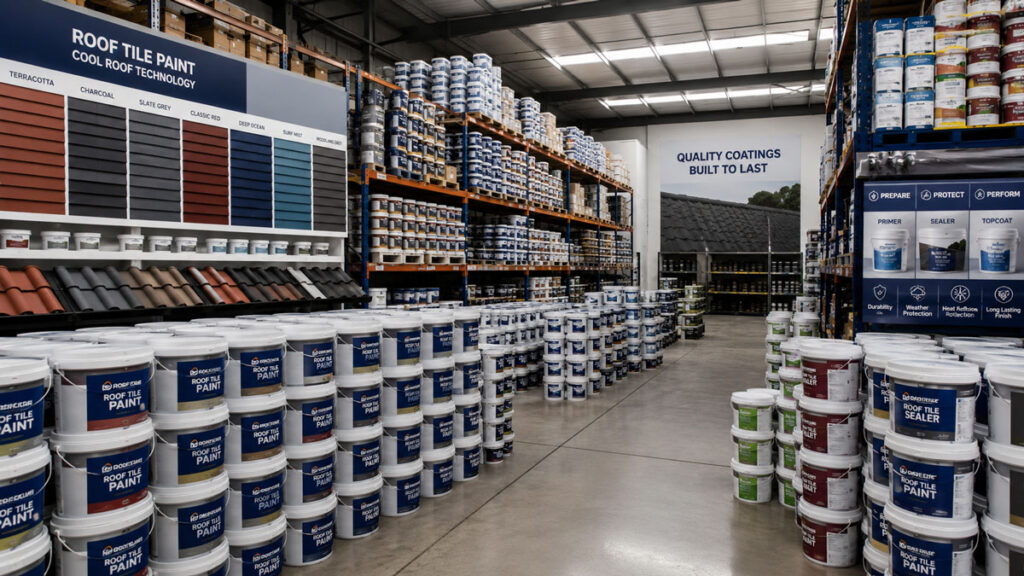
The supplier you choose can make a big difference to the final result. Reliable roof tile paint suppliers should help you select a complete paint system that suits your roof tiles, climate and preferred colour.
When choosing a roof tile paint supplier, here’s what I would look for:
- Paint designed for your specific roof tile material
- Clear heat-reflective performance information
- Compatible primers, sealers and topcoats
- Good colour choices, including reflective dark shades
- Coverage rates and application instructions
- Product warranties and expected lifespan
- Technical advice before and during the project
- Positive reviews and proven industry experience
I would also say, don’t compare suppliers on price alone. Good advice and ongoing support can help you achieve a longer-lasting finish, and that’s priceless!
FAQs About Heat Reflective Roof Paint
If you don’t have much time and want to get straight into repainting your roof, here are the answers to the most frequently asked questions I hear about using heat-reflective paint:
Can heat-reflective paint be applied to all roof tiles?
Not every roof tile is suitable for painting, so it is important to identify the material before choosing a product! Concrete and cement roof tiles usually respond well to the right preparation, primer and coating system. Terracotta tiles can be more complicated because some have glazed or highly porous surfaces, which can affect adhesion. Before starting, I recommend checking the tile manufacturer’s guidance and asking a specialist whether the coating is compatible with your roof.
Does heat-reflective roof paint reduce indoor temperatures?
Heat-reflective paint is designed to reflect more solar energy and reduce the amount of heat absorbed by the roof. In my experience, it can help make the roof space and rooms below feel more comfortable during hot Sydney weather. However, the result will vary depending on the roof colour, paint quality, insulation, ventilation, roof direction and the overall design of your home! It should be seen as one part of your heat-management strategy rather than a replacement for insulation.
How long does heat-reflective roof paint last?
A good-quality roof coating can last for many years when it is applied to a properly prepared surface. Its lifespan depends on the condition of your tiles, the quality of the paint, the number of coats, local weather conditions and the standard of application. Cleaning gutters, removing debris and repairing damaged tiles can also help extend the life of the coating!
Do roof tiles need to be primed before painting?
In many cases, yes. Primer or sealer helps the paint bond to the roof tiles and creates a more even surface for the topcoat. Older or porous concrete tiles may absorb paint unevenly without proper sealing. The correct primer depends on the tile material and the coating system being used. I found it best to follow the paint supplier’s instructions rather than mixing products from different manufacturers.
What should I ask roof tile paint suppliers before purchasing?
You should ask whether the product is suitable for your specific tile type and Sydney’s climate. You should also ask about solar reflectance, colour options, coverage rates, required primers, drying times and the recommended number of coats. It is also worth checking the warranty, expected lifespan and whether technical advice is available. Reliable roof tile paint suppliers should be able to explain the full coating system, not just sell you a tin of paint!